Our impressions from the Opening Meeting in Couso
Back in the spring, we shared that the Wonder Commonlands partners would be gathering for the first time in November, at the Comunidad de Montes Vecinales en Mano Común de Couso, in Gondomar (Pontevedra). The meeting happened, it was good… and somehow a full year has passed without us writing it up properly. We have certainly been busy! Consider this our attempt to make up for it.
There are places that do half the work for you. Couso is one of them. This community has been managing its woodland collectively for generations – producing timber and resin, cultivating shiitake mushrooms, running cultural and educational activities – and doing it well enough to be recognised by the ICCA Consortium as one of its Territories of Life. We couldn’t have chosen a better place to start. Considering where we are nowadays, this is a good as it gets, and this is why we considered it as a perfect inspirational starting point.
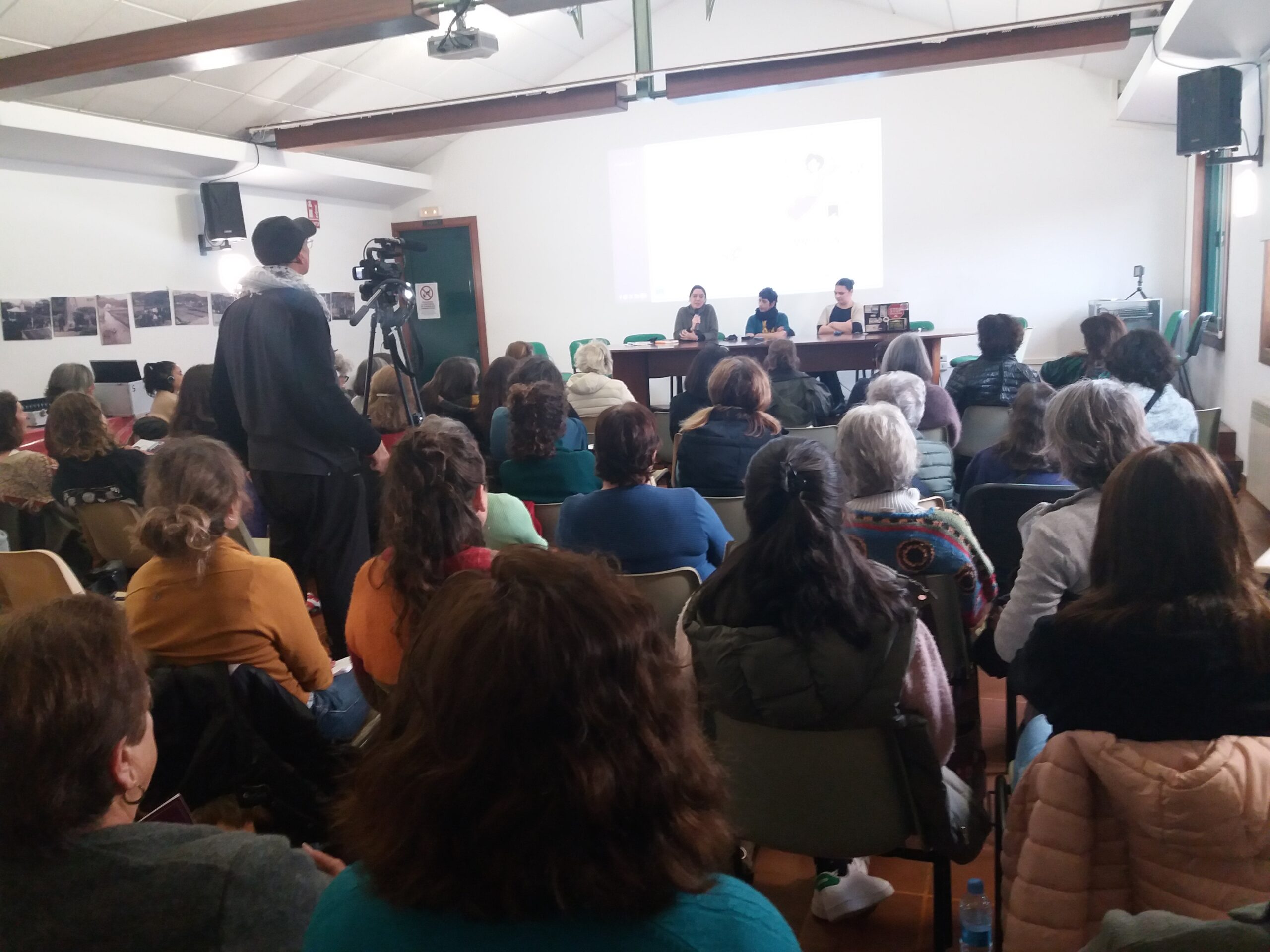
The timing was deliberate: we met in parallel with the IV Encuentro Estatal of Somos Comuneras, the Spanish network of women commoners, which brought together over 60 women that weekend. The community opened its casa vecinal (a building that belongs to the commoners themselves, not the townhall) and took care of every detail. By Friday evening, the space had turned into something like a small tower of Babel: Galician, Portuguese, Spanish, Bulgarian, Italian, Greek, French and Norwegian bouncing off the walls. Rather than a problem, it became one of the weekend’s unexpected gifts, navigated through English, through drawings, through shared meals, and through a fair amount of laughter.
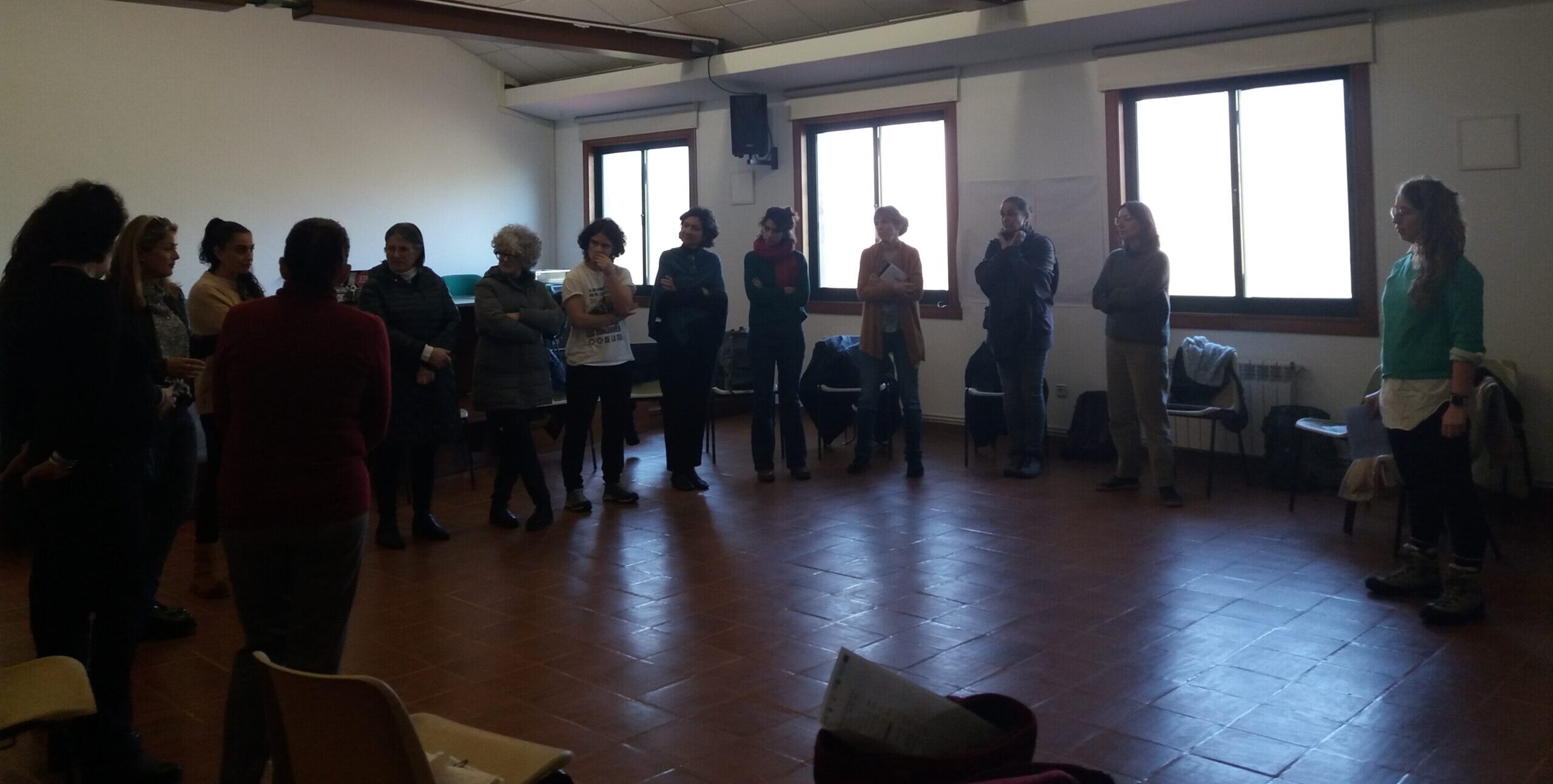
Over the following two days, we got down to work. Partners shared how the concept of «the commons» looks from their corner of Europe, and how different that can be, legally and culturally, from one country to the next. What surprised no one, but was worth saying out loud, is how similar the underlying challenges are: who gets to be a commoner, who shows up to the assemblies, and whose knowledge counts when decisions are made.
We mapped out the three seminars that would structure the project’s learning process. The first, coordinated by Fundación Entretantos and Babalex, focused on the right to participate: examining legal frameworks and what meaningful participation actually looks like for women in different contexts. The second, led by the University of Lisbon and Norsk Seterkultur, brought feminist and ecofeminist perspectives to the conversation, centering women’s ecological knowledge and the grassroots movements that often go unrecognised. The third, coordinated by STEP and ELGO-DIMITRA, looked at economic structures: how women-led activities within common lands can sustain rather than deplete the resources they depend on. (Those seminars have now taken place and you can read about them on this site, via the provided links. At this point we were just dreaming them up)
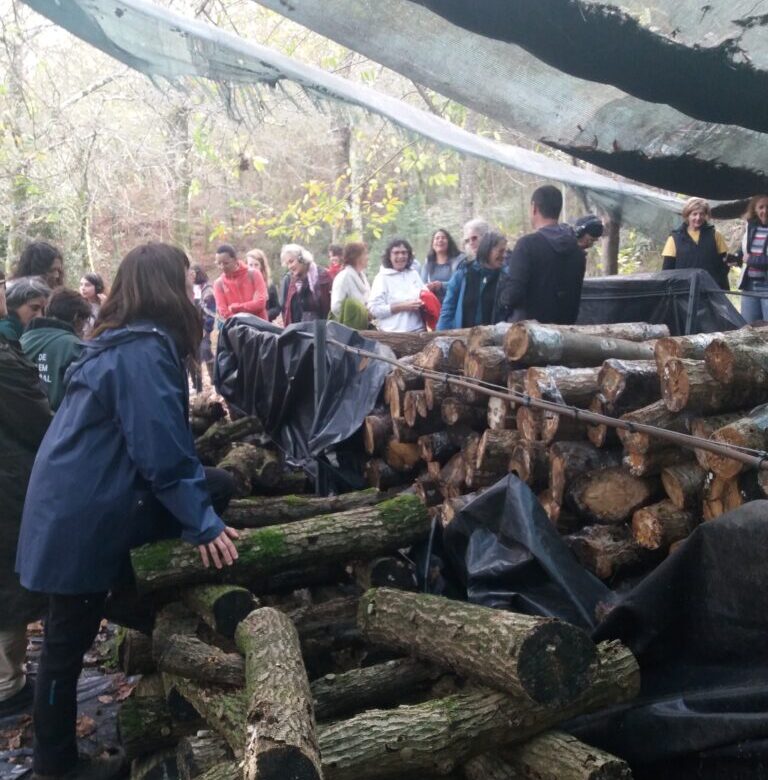
On Saturday afternoon, Antón, the community’s president, took us on a walk through Couso’s woodlands. He stopped at each project: the Memory Forest, the Language Forest, the shiitake plots, the amphibian pond… and explained, simply and with evident pride, what had led to each decision. It was a good reminder that what we were trying to understand and support in this project already exists, in many forms, in many places.
We left on Sunday with more questions than we arrived with (which felt absolutely right!). And with a clearer sense of what we were looking for, and who we might look for it with.
Full minutes of the opening meeting can be found here.